Pallet and General Freight Transport in South Africa
Not every load is a vehicle or a house move. Small businesses send pallets of stock to customers, online sellers move boxed orders between warehouses, and manufacturers ship parts to workshops in other provinces. Square Load lets you describe the freight once and receive quotes from verified transporters who can carry it as a full load or as part of a shared trip. Accurate pallet counts, dimensions and weights are the basis of a useful quote, together with clear information about loading equipment at each end.
What counts as general freight
General freight covers palletised stock, boxed goods, building materials, appliances, office equipment, retail displays and event equipment. A business might send a single pallet to a customer in another province, or a full truckload of stock to a new branch. Part loads are useful when the freight does not fill a vehicle, because a transporter can combine it with other consignments on the same route. Hazardous goods, live animals and other prohibited items cannot be posted; check the prohibited loads page before you describe your freight.
Describing pallets and packaging
Give the number of pallets, their size (for example standard 1.2 m by 1 m pallets), their height and their approximate mass. Say whether the pallets can be stacked, and whether any goods are fragile or must stay upright. Loose boxes should be listed with their count and approximate dimensions. Shrink-wrap or strap pallets so goods cannot shift, and label each item if there are several consignees. Photographs of the freight and its packaging help transporters choose the right vehicle and avoid surprises on collection day.
Loading equipment and access
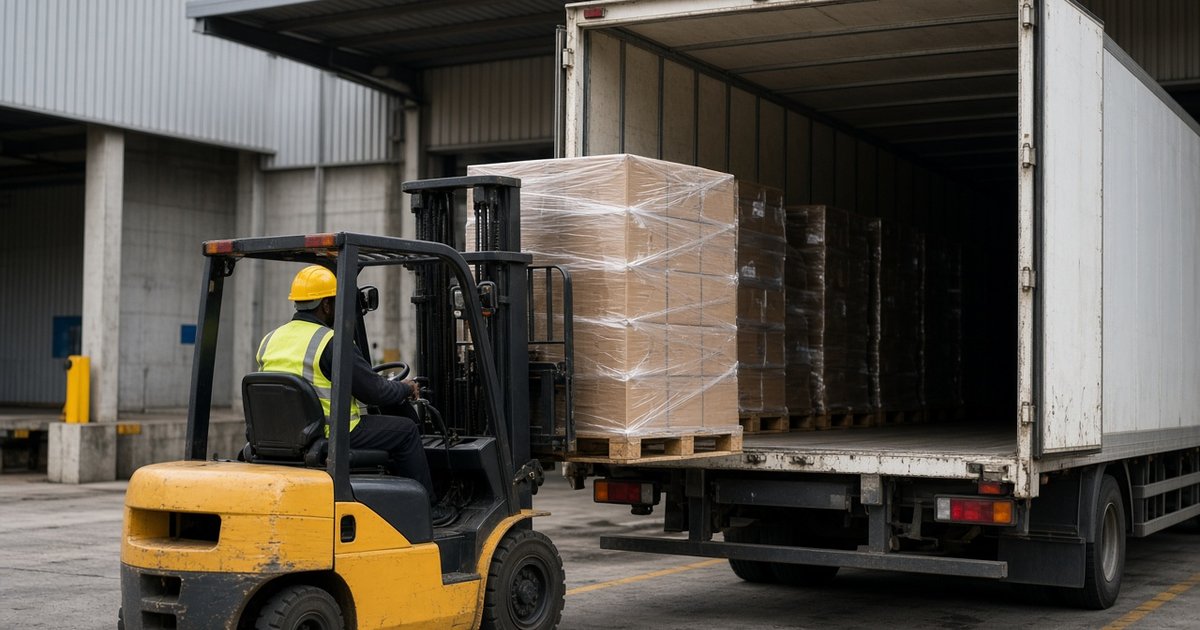
Pallets usually need a forklift, pallet jack or tail-lift. Say whether the collection and delivery points have a loading dock, a forklift and staff to help, or whether the transporter must bring a tail-lift truck. Residential deliveries and small shops often have no dock, which changes the vehicle needed. Describe access for a truck, receiving hours, security procedures and any booking system at a warehouse or distribution centre. Missing these details is a common cause of delays and extra charges on arrival.
Insurance, documents and responsibility
Verification on Square Load is not a promise that every loss is insured. Ask the transporter to confirm goods-in-transit cover, the declared value, the excess and any exclusions for your type of freight. Prepare a delivery note or invoice that lists the items, and agree who signs at collection and delivery. Record the number of pallets and boxes, and photograph them before loading. Keep questions, changes and agreed arrangements on the platform, so there is one clear record of the job.
Freight corridors in South Africa
Gauteng is the country’s main distribution hub, so Johannesburg to Durban, Johannesburg to Cape Town and Durban to Pretoria are typical freight requests. Coastal links such as Durban to East London and Gqeberha to Durban serve Eastern Cape manufacturers, while Johannesburg to Bloemfontein supports the Free State. These are examples of routes to request, not scheduled departures. A part load may wait for other consignments or make several stops, so ask about collection windows and delivery dates.
How to compare and book
Post your load free with photographs, collection and delivery areas, dates and the details discussed above. Verified transporters can then send quotes through Square Load. Compare the proposed equipment, inclusions, timing and transporter reviews before you book the offer that fits your needs. Keep questions and agreed arrangements on the platform; full contact details are shared once booking is confirmed. Posting and receiving quotes are free for clients. The client pays the transporter directly for the agreed transport. Square Load’s platform success fee is paid by the transporter on a booked job and is reflected in their transporter balance; it is not a separate client posting charge. Check the current fee and booking conditions in the terms and How It Works pages.
Frequently asked questions
- Can I send a single pallet?
- Yes. Post it as a part load with its size, height and mass; a transporter may combine it with other freight on the same route.
- Do I need a forklift?
- Say what equipment is available at each end. Without a forklift or dock, ask for a vehicle with a tail-lift or a pallet jack.
- Can pallets be stacked?
- Only if you say they can. State whether goods are fragile, must stay upright or cannot carry weight on top.
- What freight is not allowed?
- Hazardous goods, live animals and other items on the prohibited loads list cannot be posted. Check that page before describing your load.
- Is my freight insured in transit?
- Confirm goods-in-transit cover, the declared value, excess and exclusions directly with the transporter before booking.