Shipping Container Transport in South Africa
Containers are used far beyond ports: as site offices, storage units, workshops and container homes. Moving one means finding a vehicle that can lift and place it where you need it, not just carry it. Square Load lets you describe the container, its contents and the placement site once, and receive quotes from verified transporters with side-lifters, tilt-trays or flatbeds. Whether you are moving an empty 6 m unit to a building site or a packed 12 m container between provinces, an accurate description is the basis of every useful quote.
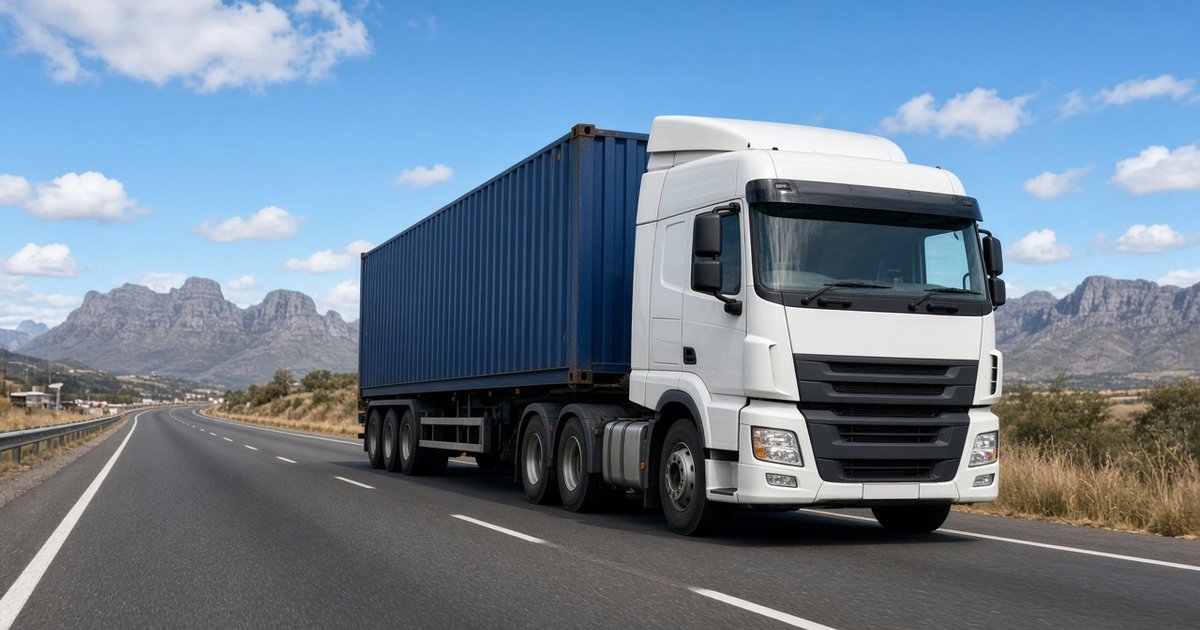
Why people move containers
Buyers of new and used containers need delivery from the depot to a farm, building site or home. Construction companies move site offices and storerooms from one project to the next. Businesses relocate storage containers when they change premises, and families use a container to store furniture during a move. Converted containers, such as offices with windows, air conditioning and electrical fittings, need extra care. Say whether the container is empty or loaded, whether it is a standard, high-cube or modified unit, and whether the doors lock securely for the journey.
Side-lifter, tilt-tray or flatbed
A side-lifter can lift a container off its own truck and place it on the ground without a crane, which suits most sites where there is enough space beside the truck. A tilt-tray or roll-back slides the container off the back, needing room in front of the placement position. A flatbed usually needs a crane or forklift at both ends. Tell bidders whether the container is 6 m (20 ft) or 12 m (40 ft), whether it is high-cube, and its approximate loaded mass. Mention if it must be placed on a foundation, sleepers or a specific level area.
Preparing the site and the container
The placement site decides which vehicle can work. Describe the access road, gate width, overhead cables, trees and the turning space for a long truck. The ground must be firm and roughly level; soft soil after rain can make placement impossible. If the container is loaded, distribute and secure the contents so they cannot shift, and keep the mass within what the transporter has agreed. Close and lock the doors. Photograph the container from all sides, including the roof and door seals, so its condition is recorded before collection.
Insurance, permits and responsibility
Verification on Square Load does not mean every possible loss is insured. Ask the transporter to confirm goods-in-transit cover for the container and its contents, the declared value, the excess and any exclusions. Ask whether lifting and placement are included in that cover. Some sites, such as estates or business parks, require permission for heavy vehicles; arrange it in advance. Agree on the platform who will be present at collection and delivery, and record any existing dents or rust. Keep questions and arrangements on the platform until the booking is confirmed.
Container routes in South Africa
Durban is the country’s busiest container port, so Durban to Johannesburg and Durban to Pretoria are common requests. Cape Town to Johannesburg and Gqeberha to Johannesburg serve the Western and Eastern Cape ports. Inland, containers often travel to farms and building sites far from the main highways. These are examples of routes to request, not promises of scheduled departures. Ask about the expected collection window, delivery date and whether a shared load or several stops are involved before you book.
How to compare and book
Post your load free with photographs, collection and delivery areas, dates and the details discussed above. Verified transporters can then send quotes through Square Load. Compare the proposed equipment, inclusions, timing and transporter reviews before you book the offer that fits your needs. Keep questions and agreed arrangements on the platform; full contact details are shared once booking is confirmed. Posting and receiving quotes are free for clients. The client pays the transporter directly for the agreed transport. Square Load’s platform success fee is paid by the transporter on a booked job and is reflected in their transporter balance; it is not a separate client posting charge. Check the current fee and booking conditions in the terms and How It Works pages.
Frequently asked questions
- Which container sizes can be moved?
- Standard 6 m (20 ft) and 12 m (40 ft) containers, including high-cube units, are common. State the size, type and any modifications in your request.
- Do I need a crane at the delivery site?
- Not always. A side-lifter or tilt-tray can usually place a container without a crane, if the site has enough space and firm ground.
- Can a loaded container be transported?
- Often, if the contents are secured and the mass is within the vehicle’s limits. Give the approximate loaded mass so transporters can quote accurately.
- What should I tell transporters about the site?
- Describe access, gate width, overhead cables, turning space, ground conditions and where exactly the container must be placed.
- Can a converted container office be moved?
- Yes, with care. Mention windows, fittings, air conditioning and electrical connections so the transporter can plan lifting and securing.
- Is the container insured in transit?
- Confirm cover for the container and contents, the declared value, excess, exclusions and lifting/placement directly with the transporter.